





This Valentine’s Day, it’s important for marketers to not just focus on couples but also focus on the untapped potential of singles and self-loving individuals.
Every iOS marketer is fighting forthe same Valentine's Day audience: happy couples looking for gifts, date ideas, and romantic experiences. But here's what nobody talks about: The singles and unpartnered. In 2023, 42% of U.S. adults were unpartnered, meaning theywere neither married nor living with a spouse or romantic partner (a number derived from Census Bureau data analysed by Pew Research Centre).
While dating apps battle for the hopeful romantics, there's a completely untapped marketworth billions: the newly single, the chronically single, the"situationship" survivors, and the people who treat Valentine's Day like a personal attack.
This isn'tcynicism, it's opportunity. Because while half the population is buying roses, the other half is rage-deleting photos, blocking exes, and installing apps that promise to help them move on, level up, or simply survive the most romantically aggressive day of the year.
Why Anti-Valentine's Is the Smarter Play in 2026
1. Less Competition, Higher Intent
Every e-commerce and dating app is running Valentine's campaigns. But breakup recovery apps? Habit-building apps for self-improvement? "Treat yourself" solo experience platforms? Crickets…. You're targeting high-intent users with zero ad fatigue.
2. Emotional Spending
63% of Americans say their emotions influence their purchasing decisions, meaning emotional states like independence, self-reward, or personal renewal can drive new types of spending. This form of emotional spending isn't just tied to relationships; it often applies to personal goals, self-care routines, fitness transformations, travel, or creative pursuits.
3. The Single Market Is Bigger Than You Think
Research from a Valentine’s Day data tracker shows that a substantial share of people choose not to celebrate Valentine’s Day in its traditional romantic format, with about one third reporting they won’t celebrate at all. Add in the "technically in a relationship but dreading Valentine's Day" crowd, and you're looking at a massive audience that traditional Valentine's marketing completely ignores.
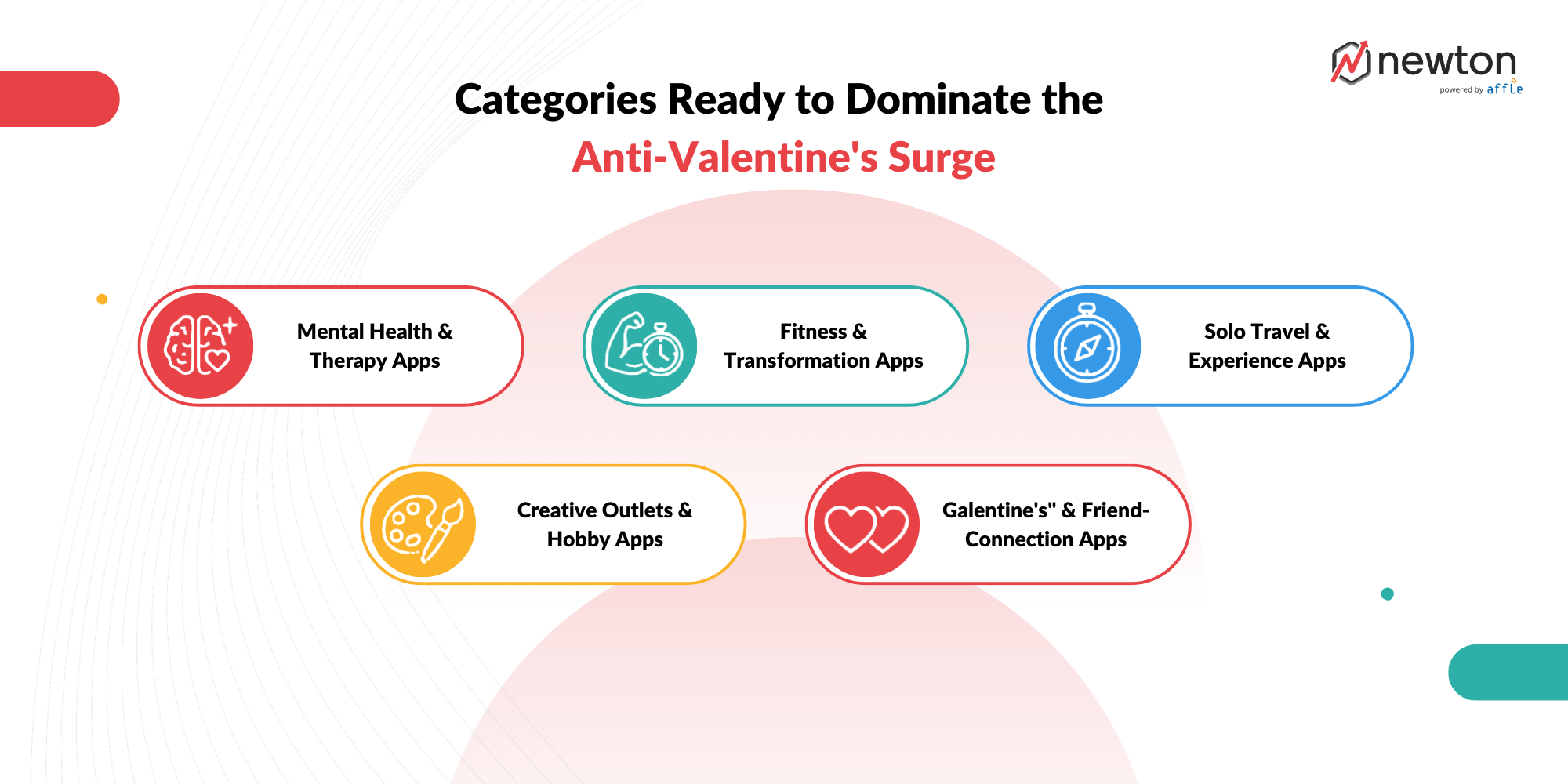
Categories Ready to Dominate the Anti-Valentine's Surge
1. Mental Health & Therapy Apps
Singles and unattached people may seek stress relief, emotional support, or mindfulness tools around Valentine’s Day due to the increased Valentine’s Day promotions.
Opportunity: Target keywords like “self‑care app,” “mental wellness,” “stress relief tools” to reach users who are searching for support outside of romantic contexts.
2. Fitness & Transformation Apps
Many users seek to use Valentine’s Day as a period of self-love and self-care to achieve personal goals, including fitness, confidence‑building, and transformation journeys.
Opportunity: Use keywords like “confidence-building fitness,” “personal transformation challenge,” “solo workout goals” to attract audiences motivated by self‑improvement.
3. Solo Travel & Experience Apps
"Treat yourself" culture thrives around Valentine's Day. Solo experiences are increasingly appealing, creating a market for solo travellers, spontaneous weekend getaway bookers, and "I'm going to do something amazing alone" planners.
Opportunity: Promote "solo Valentine's adventures," "singles travel experiences," and "book a solo trip" with search results ads. Feature testimonials from people who reclaimed Valentine's Day for themselves.
4. Creative Outlets & Hobby Apps
Breakups unlock creativity. When dealing with emotional spending, experts recommend channelling energy into creative outlets like writing, drawing, or learning newskills through free online courses.
Opportunity: Keywords such as “learn a newhobby,” “creative self‑care,” and “express yourself” cater to people looking for fulfilling solo activities.
5. "Galentine's" & Friend-Connection Apps
Celebrating friendships over romantic love, such as “Galentine’s” or platonic meetups, continues to grow in awareness. Friend-focused Valentine's celebrations are growing trends, especially among younger demographics.
Opportunity: Target terms like “celebrate with friends,” “platonic community events,” and “friendship app ideas” to reach a socially oriented solo demographic.
The Anti-Valentine's Funnel: Reaching Singles, Not Celebrating Valentine’s Day
1. Top of Funnel (Awareness): Capturing Interest Early
Who They Are: People indenial that Valentine's Day is approaching. They're anxious, pre-emptively annoyed, or actively trying to avoid reminders.
Campaign Tactics:
• Broad Match Apple Ads Campaigns: Target keywords such as “self-care apps,” “solo travel experiences,” and “confidence-building fitness” to attract users who are focused on personal growth.
• In-App Event Promotions: For apps offering self-improvement challenges or solo adventures, create in-app events promoting alternatives to romantic celebrations.
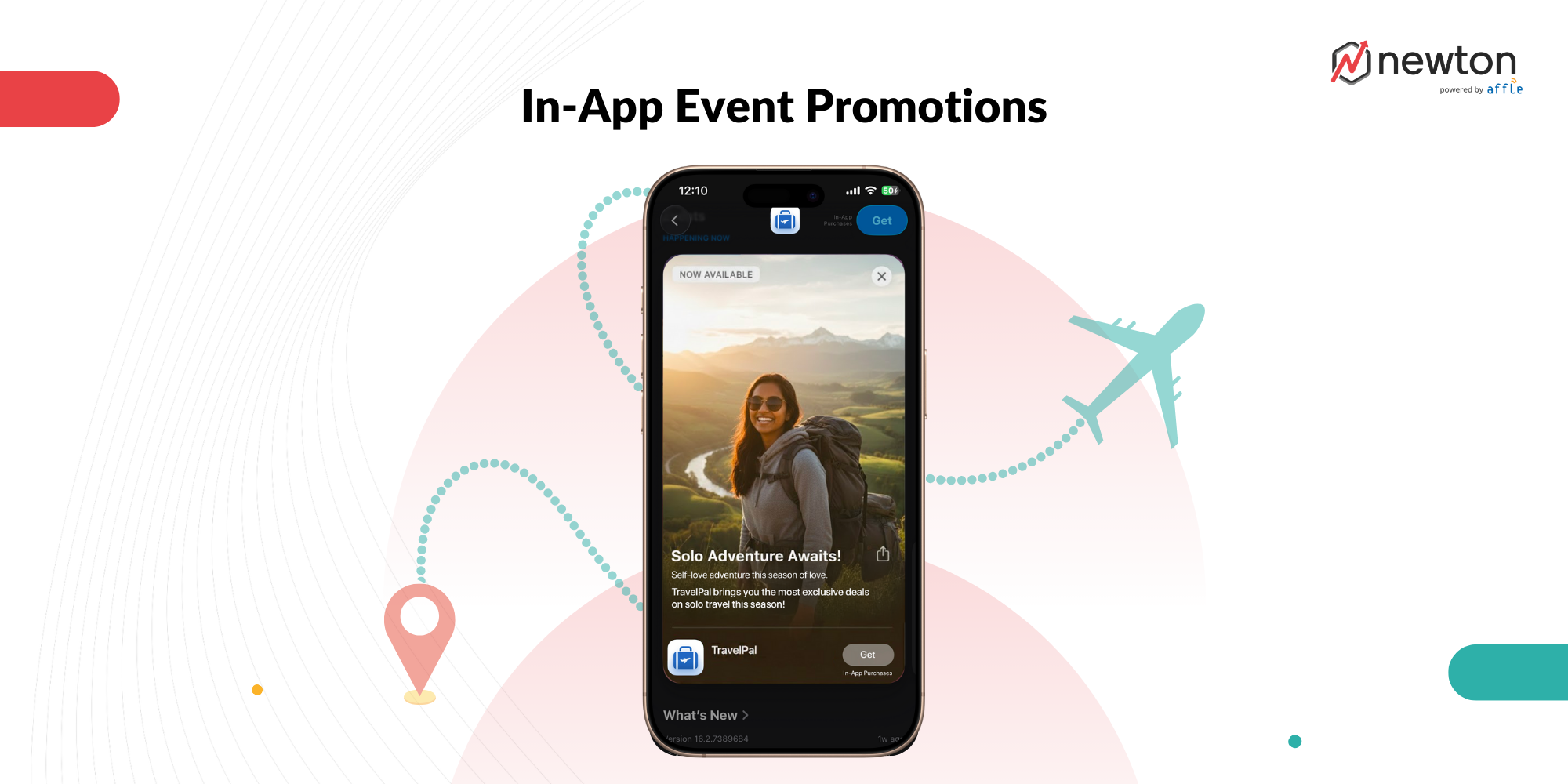 Messaging: Validate their feelings."Valentine's Day isn't for everyone, and that's okay.
Metrics to Track:
• Impressions & Tap-Through Rate (TTR): Measure engagement to understand the relevance of ads targeting those not celebrating Valentine’s Day.
• Search Term Performance: Monitor which non-romantic terms drive the most interest.
2. Middle of Funnel (Consideration): Nurturing User Interest
Who They Are: Users actively looking for ways to reframe Valentine's Day. They're open to apps that help them feel empowered, distracted, or socially connected in non-romantic ways.
Campaign Tactics:
• Targeted Apple Ads campaigns: Use Apple Ads to target narrower, high-conversion brand keywords such as "solo fitness challenge on (your app name)," "self-care subscription on (your app name)."
• Product page ads: Ads appear in "You Might Also Like" sections, allowing users to explore relevant alternatives and decide whether your app fits their needs.
• Custom product pages: Create Anti-Valentine's-specific custom product pages with testimonials from users who "reclaimed February 14th" using your app and use it for search results ads.
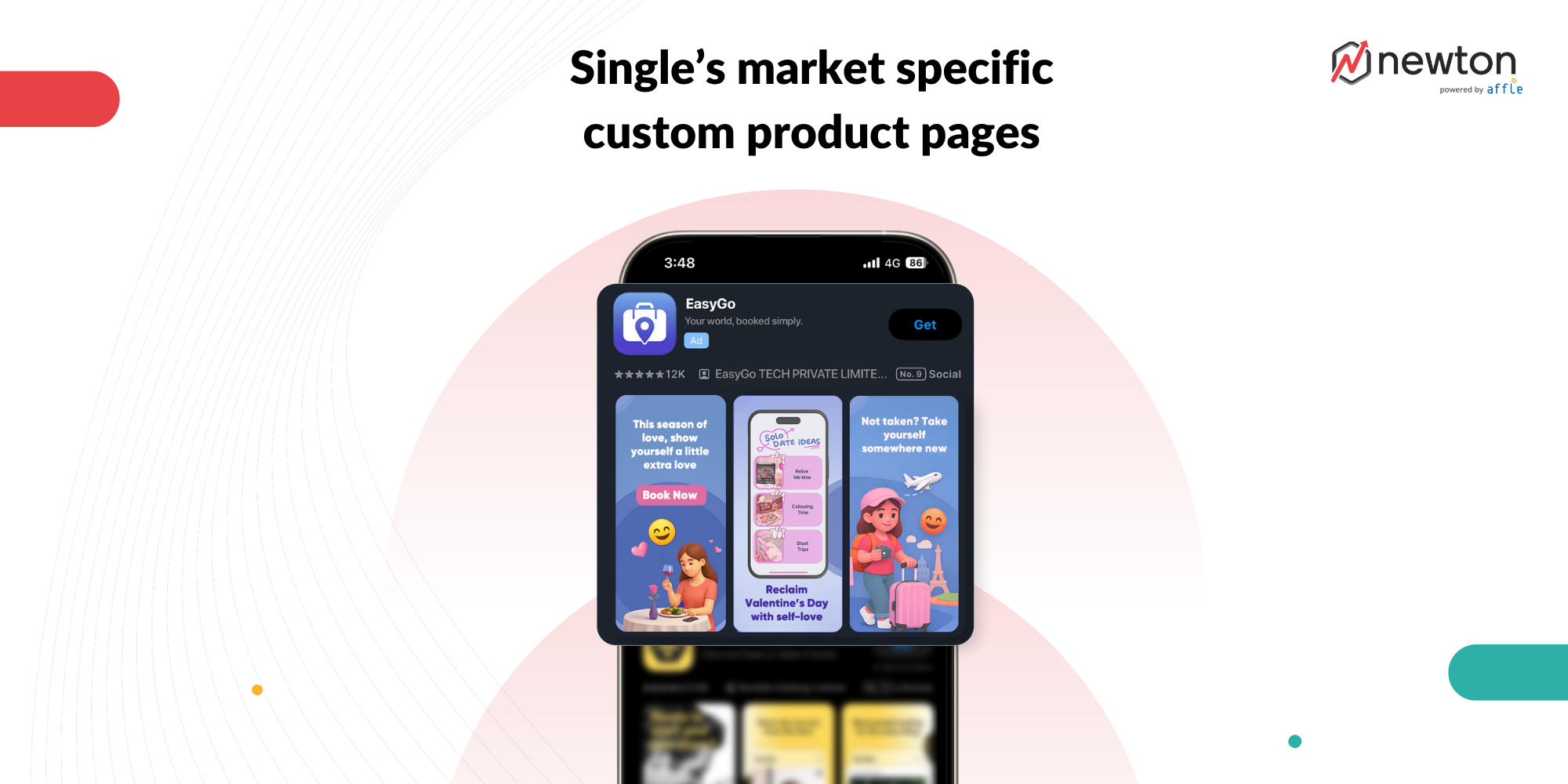
Messaging: Shift from validation to action. "This Valentine's Day, invest in yourself." Feature-specific use cases: journaling prompts for moving on, workout challenges, and solo travel deals.
Metrics to Track:
• Conversion Rate by Placement: Compare performance among different ad placements to understand user behaviour at this stage.
• Install Share on Seasonal Keywords: Track installs generated from non-Valentine’s terms.
2. Bottom of Funnel (Conversion): Driving Last-Minute Conversions
Who They Are: Users who've reached peak Valentine's saturation and are ready to take action RIGHT NOW. Convert users who are ready to act, whether by installing your app or engaging with an in-app offer.
Campaign Tactics:
• Search results ads (Exact Match): Use specific terms like “solo wellness apps,” “confidence fitness programs,” or "personal growth challenges" to reach users with immediate intent.
• Incorporate Deep links on custom product pages used on search results ads and Today tab ads (Tap destination) to direct users straight to high-conversion areas curated for single/anti-Valentine’s day audience within the app that resonate with their interests (e.g., solo travel bookings, fitness challenges, or wellness subscriptions).
Messaging: Create FOMO around community and transformation. "Thousands of people are choosing themselves this Valentine's, are you?"
Metrics to Track:
• Conversion Rate: Measure installs and key in-app actions (purchases, subscriptions, etc.).
• Revenue from In-App Purchases: Track revenue driven by offers targeting users outside traditional Valentine’s celebrations.
• Retention Rates: Analyse post-install engagement to gauge long-term user loyalty.
Conclusion: Embrace the Market of Singles and the Unattached
This Valentine’s Day, it’s important to celebrate all forms of love. While the holiday is traditionally about romance, there’s a growing audience of singles, unpartnered individuals, and those focused on personal growth who also deserve attention. By catering to both romantic and non-romantic search intent, marketers can create meaningful connections with everyone, whether they’re looking to celebrate love in traditional ways or seeking self-care, fitness, solo experiences, and platonic love. With the strategic use of Apple Ads, apps can engage all audiences, building lasting relationships and ongoing engagement beyond the season.
